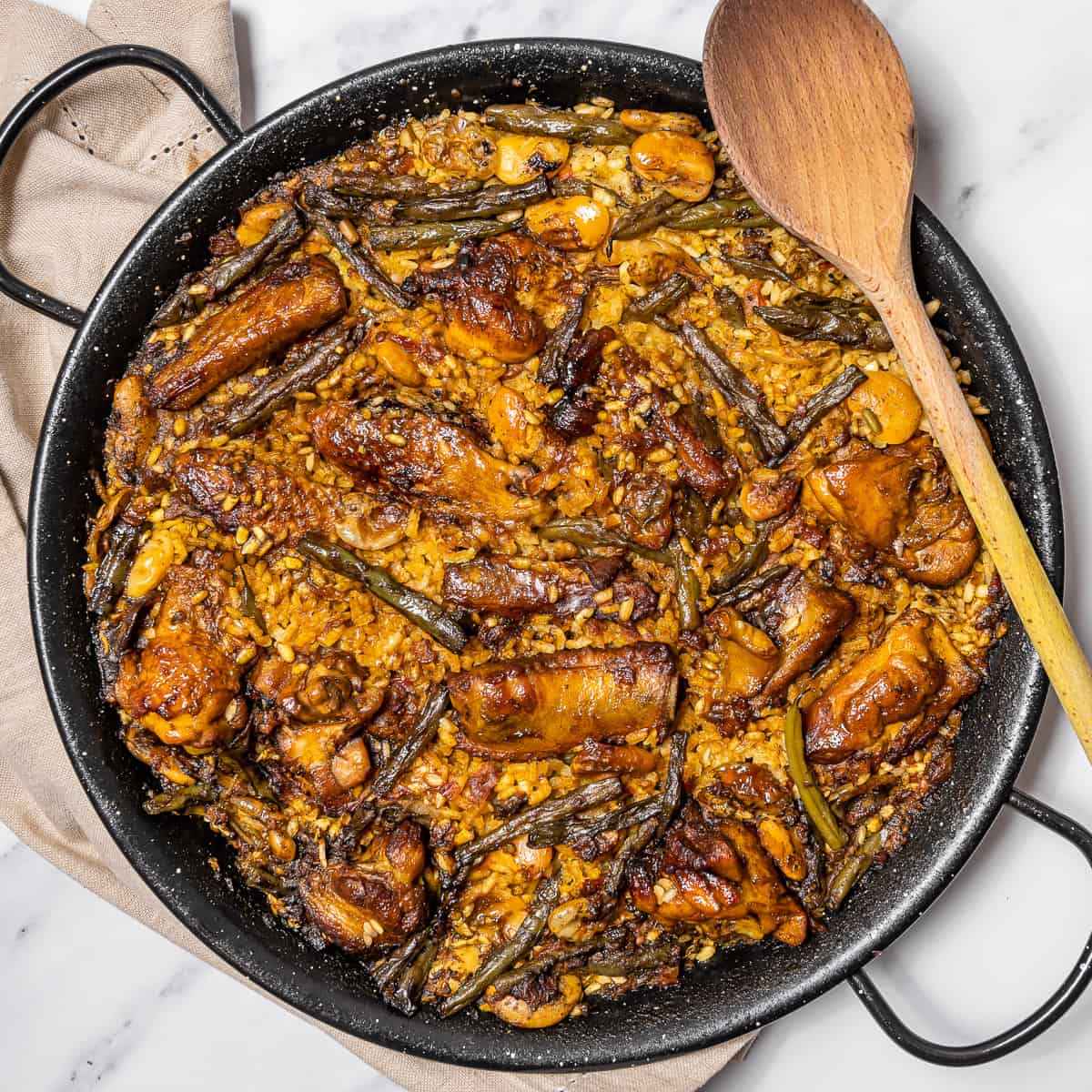
Classic Spanish Paella Made Easy: Your Guide to Traditional Flavors
Often considered the crown jewel of Spanish cuisine, the mere mention of paella can conjure images of bustling Spanish plazas, shared meals, and intricate cooking techniques. For many, the idea of preparing a truly classic Spanish paella at home can feel as daunting as finding space for an 18-inch pan in a compact kitchen. With its centuries of tradition and a long list of ingredients, it's easy to assume paella is a dish best left to seasoned chefs or Spanish grandmothers.
However, this couldn't be further from the truth. Paella, at its heart, is a surprisingly straightforward dish, perfectly suited for home cooking. In Valencia, Spain – the undisputed birthplace of paella – this beloved dish, often referred to as paella valenciana, is most frequently prepared and enjoyed at home as a cherished weekly communal lunch for friends and family. This article will guide you through demystifying this iconic dish, helping you unlock its authentic flavors right in your own kitchen.
Demystifying Classic Spanish Paella: More Than Just a Dish
The history of paella is as rich and layered as its flavors. Originating in the fields of Valencia, it was initially a humble farmers' meal cooked over an open fire, utilizing ingredients readily available from the local environment. Over time, it evolved into the celebrated dish we know today. Like most cherished traditional dishes, classic Spanish paella is surrounded by lively debate regarding its precise ingredients, methods, and origins. Yet, a few things are universally agreed upon: it's a rice dish, cooked in a wide, shallow pan (a paellera or paellón), and it’s a symbol of Spanish culinary heritage.
The magic of an authentic Valencian paella lies not in its complexity, but in the harmonious balance of fresh, high-quality ingredients, traditional techniques, and the communal spirit it embodies. While traditionally cooked over wood fires to impart a unique smoky depth, a delicious and authentic paella can be achieved perfectly on your stovetop. My goal, much like many home cooks who have learned from Spanish tutelage, is to share the knowledge and experience needed to create a traditional Spanish paella that anyone can master, even without specialized equipment.
The Heart of Valencia: Authentic Ingredients and Their Role
To truly capture the essence of a classic Spanish paella, understanding its core ingredients is paramount. The Valencian style, in particular, adheres to a specific set of components that create its characteristic earthy and comforting profile. While seafood variations are popular, the original paella valenciana is primarily a land-based dish. Here’s a closer look at what makes it special:
- Bomba Rice: This short-grain, round rice is non-negotiable for an authentic paella. Bomba rice is celebrated for its ability to absorb large amounts of liquid (and thus flavor) without becoming mushy, yielding perfectly separate, al dente grains.
- Tender Meats: The traditional choice includes chicken and rabbit. These are cut into small pieces and browned to develop a deep, savory flavor base that is critical to the dish.
- Earthy Vegetables: Flat green beans and garrofón (a specific large, flat white bean native to Valencia) are key. They add texture, sweetness, and an unmistakable earthy character. If garrofón is unavailable, lima beans or broad beans can be a suitable, though not identical, substitute.
- Saffron: The golden touch. Saffron threads provide paella with its signature vibrant color and a delicate, floral aroma. A little goes a long way, and quality saffron makes a noticeable difference.
- Extra Virgin Olive Oil: The foundation of all Spanish cooking, used generously for browning and sautéing.
- Grated Tomato: Freshly grated tomato is crucial for building the flavor base. Its acidity acts as a natural deglazer, lifting flavorful crusts from the bottom of the pan and contributing a rich umami depth.
- Broth/Water: While not explicitly listed in some basic ingredient lists, the quality of your liquid (traditionally water, but a good chicken or vegetable broth enhances flavor) is vital for cooking the rice and infusing the entire dish.
For a deeper dive into selecting the perfect components, check out our guide on Crafting Classic Paella: Essential Ingredients & Flavor Secrets.
Mastering the Art: A Step-by-Step Guide to Traditional Paella
Preparing a good paella, whether over open flames or on your stovetop, starts long before the rice touches the pan. The secret to a stress-free and delicious result lies in proper preparation and understanding the sequence of steps. Having all your ingredients ready to go, often referred to as "mise en place," is essential.
- Prepare Your Ingredients: Begin by grating your tomatoes, washing and chopping the flat green beans, and thoroughly seasoning your chicken and rabbit pieces with salt.
- Brown the Meats: Heat a generous amount of extra virgin olive oil in your paella pan (or a large, wide, shallow skillet if you don't have one). Once the oil is hot, add the chicken and rabbit pieces. Brown them thoroughly on all sides until they're golden and nicely caramelized. This browning is critical for developing the base flavor of your paella. When golden, push the meat to the outer edges of the pan where the heat is less intense. This allows them to continue cooking gently while you work on the other components.
- Build the Flavor Base with Vegetables: If all goes well, the browned meat will have released some juices, forming a light crust at the bottom of the pan – this is the nascent flavor base of your paella. Now, add your vegetables: first the green beans, then the garrofón (Valencian white beans). Sauté them in the center of the pan for 5-10 minutes, stirring occasionally, without letting them burn. Once softened, push them towards the edges alongside the meat.
- Deglaze with Tomato: With the meat and vegetables pushed aside, it's time to extract their flavors using the grated tomato. Add the grated tomato to the center of the pan. The acidity of the tomato will help lift that flavorful crust (known as socarrat in its later, crispy stage) from the bottom of the pan. Cook the tomato for about 5 minutes, stirring, until it loses most of its liquid and darkens slightly, concentrating its flavor.
- Introduce Rice and Saffron: Now, bring the meat and vegetables back into the center with the tomato. Add the Bomba rice directly to the pan, along with the saffron threads. Fry the rice for a couple of minutes, stirring gently to coat each grain with the flavorful oil and tomato mixture, making sure the saffron doesn't burn. This brief toasting helps the rice maintain its individual texture.
- Add Liquid and Simmer: This is a crucial step! Pour in your hot broth or water (the exact ratio will depend on your rice, but a good starting point is 3-4 cups of liquid per cup of rice). Stir everything together just once, ensuring the rice is evenly distributed across the bottom of the pan. Bring the liquid to a strong boil, then reduce the heat to a medium-low simmer.
- The Uninterrupted Cook & The Socarrat: This is where patience is key. DO NOT STIR THE RICE from this point onwards. Stirring releases starch, which leads to a creamy risotto-like texture, not a true paella. Allow the paella to simmer undisturbed for about 15-20 minutes, or until the liquid is mostly absorbed and the rice looks cooked. In the last few minutes, if you’re cooking on a stovetop, you can increase the heat slightly for 1-2 minutes to encourage the formation of the socarrat – the coveted crispy, caramelized crust at the bottom of the pan. You'll know it's there when you hear a gentle sizzling and can smell a toasted aroma.
- Rest and Serve: Once the rice is cooked and the socarrat formed, remove the paella from the heat. Cover the pan loosely with foil or a clean kitchen towel and let it rest for 5-10 minutes. This allows the flavors to meld and the rice to finish steaming perfectly. Serve directly from the pan, traditionally with lemon wedges.
For even more advanced techniques and to truly perfect your dish, consider our comprehensive guide on Master Authentic Valencian Paella: Spain's Iconic Home Dish.
Common Pitfalls and Expert Tips for Home Cooks
While making classic Spanish paella is achievable for any home cook, a few common mistakes can derail your efforts. Being aware of these can save you from disappointment:
- Don't Stir the Rice: We can't stress this enough! Unlike risotto, paella rice should not be stirred once the liquid is added. This is essential for the distinct al dente texture and the formation of the socarrat.
- Using the Wrong Rice: Regular long-grain rice will not give you the same results as Bomba rice. Its unique absorption properties are crucial.
- Too Much or Too Little Liquid: The liquid-to-rice ratio is vital. Start with the recommended amount for your rice type and adjust slightly if needed, but avoid adding too much at once.
- Overcrowding the Pan: A wide, shallow pan is essential because it allows the rice to cook in a thin layer, ensuring even cooking and maximum flavor development for the socarrat. If your pan is too small, your paella will steam rather than simmer correctly.
- Lack of Socarrat: The crispy bottom layer is a hallmark of authentic paella. Don't be afraid to increase the heat for the last couple of minutes, but listen and smell carefully to avoid burning.
- Skipping the Flavor Base: Browning the meats and sautéing the vegetables properly are not optional steps. They build the foundation of flavor for the entire dish.
Remember, the goal is not perfection on the first try, but to enjoy the process and the delicious results. Each paella you make will teach you something new about balancing flavors, managing heat, and understanding your ingredients.
Conclusion
The journey to creating a classic Spanish paella at home is a rewarding one, connecting you directly to centuries of Spanish culinary tradition. Far from being an intimidating endeavor, it's an accessible and deeply satisfying experience that brings vibrant, authentic flavors to your table. By focusing on quality ingredients, understanding the key steps, and embracing a little patience, you too can master this iconic dish. So gather your friends and family, prepare your paella pan, and get ready to savor every bite of this rich, comforting, and utterly traditional Spanish masterpiece.
