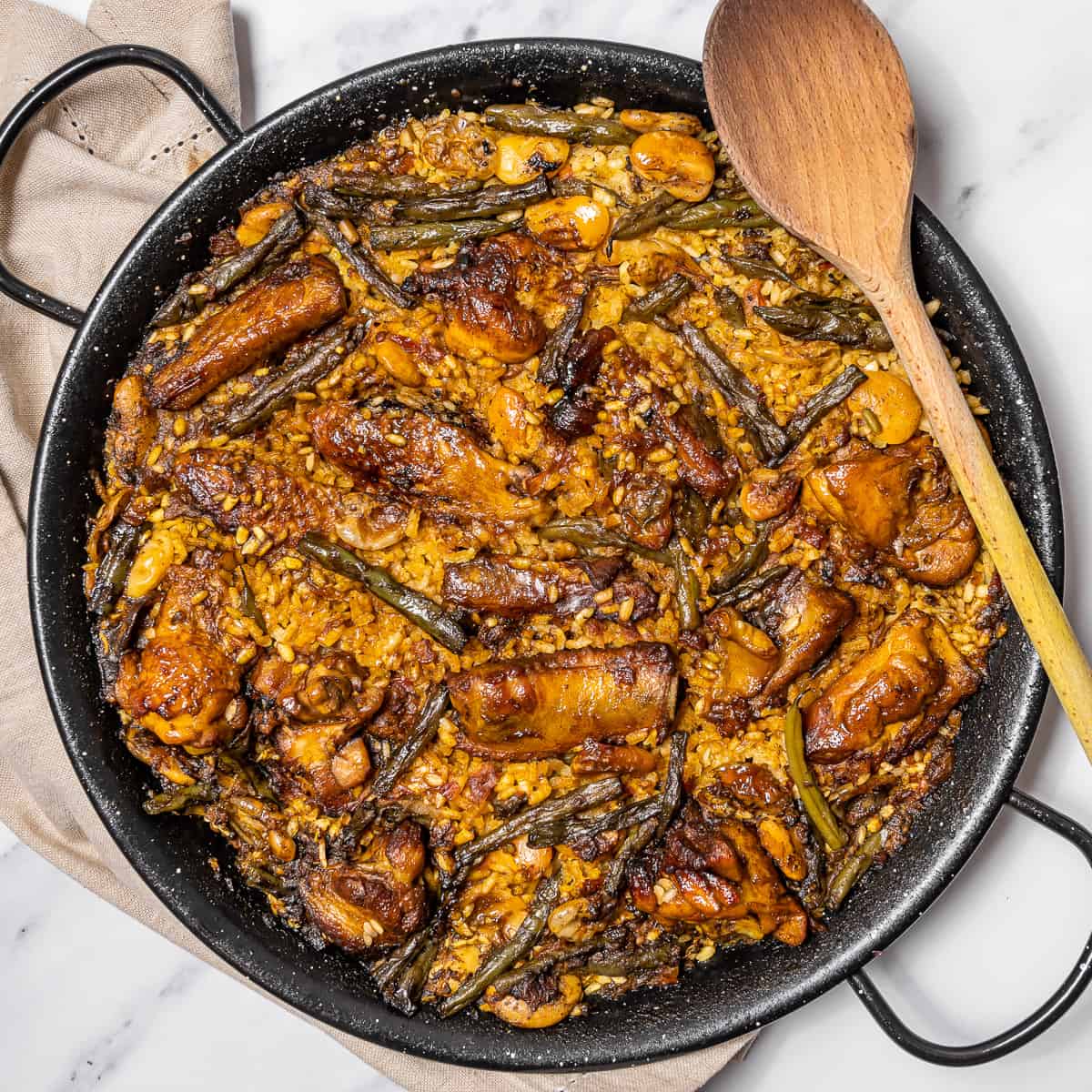
The Heart of Spain: Unraveling the True Classic Spanish Paella
Paella, often the first dish that comes to mind when one thinks of Spanish cuisine, holds a special, almost mythical place in culinary tradition. Yet, despite its global fame, the true essence of a
classic Spanish paella is frequently misunderstood outside its homeland. Far from being a complex restaurant dish, authentic paella, particularly in its birthplace of Valencia, is a cherished weekly ritual—a communal lunch lovingly prepared at home for friends and family. It’s a dish steeped in centuries of tradition, where the aroma of saffron-infused rice mingling with tender meats and vegetables signifies gathering, warmth, and shared joy.
The journey to master this iconic dish might seem daunting at first glance, especially with tales of specialized pans and wood fires. However, beneath the surface of its grand reputation lies a surprisingly straightforward cooking process, making it perfectly accessible for the home cook. The key lies in understanding its Valencian roots and respecting the core ingredients and techniques that define a truly authentic paella. As with most beloved traditional recipes, *paella valenciana* is surrounded by passionate debate regarding its precise origins, ingredients, and preparation. But for those seeking to recreate this culinary masterpiece, a few undeniable truths guide the way to a spectacular and deeply satisfying experience.
Valencian Paella: A Symphony of Authentic Ingredients
At the core of a truly
classic Spanish paella lies a specific, carefully selected array of ingredients that reflect Valencia's agricultural heritage. Forget seafood or chorizo for a moment; the traditional Valencian paella (
paella valenciana) tells a story of the land, featuring poultry, rabbit, and local vegetables. The magic happens when these elements harmonize, creating a depth of flavor that is both comforting and vibrant.
The essential ingredients that define this iconic dish include:
- Chicken and Rabbit: These are the traditional proteins, providing a rich, earthy base. Browning them properly is crucial for developing a robust flavor profile.
- Flat Green Beans (Ferraúra): These long, flat green beans add freshness and a subtle sweetness to the dish.
- Garrofón (Valencian White Beans): Unique to the region, these large, buttery white beans have a distinctive creamy texture that sets them apart and is indispensable for authentic Valencian paella.
- Bomba Rice: Often referred to as "the king of rice" for paella, Bomba rice is a short-grain variety celebrated for its ability to absorb a vast amount of liquid and flavor without becoming sticky or mushy. Its starch structure allows it to expand significantly while retaining its individual grain integrity, which is vital for the desired texture of paella.
- Saffron: The golden touch! Saffron threads are not just for color; they impart a delicate, earthy aroma and a distinctive, slightly metallic flavor that is characteristic of authentic paella.
- Ripe Tomatoes: Grated fresh tomatoes act as a natural deglazer, providing acidity and sweetness, forming the foundational *sofrito* that builds flavor.
- Extra Virgin Olive Oil: As with much of Spanish cuisine, a good quality olive oil is essential for browning and building flavor.
- Water or Broth: The medium that carries and infuses flavor into the rice.
- Salt: To season and enhance all the flavors.
Understanding the role of each ingredient is key to appreciating the subtle complexities of this dish. For a deeper dive into these crucial components, explore
Crafting Classic Paella: Essential Ingredients & Flavor Secrets.
Mastering the Art: A Step-by-Step Guide for Your Home Kitchen
Preparing a truly great
classic Spanish paella is an experience that begins long before the rice hits the pan. It’s about mise en place, patient cooking, and building layers of flavor. While a traditional wood fire imparts an unparalleled smokiness, you can achieve fantastic results on your stovetop with a good paella pan (paellón) or even a wide, shallow skillet.
Here’s how to bring the essence of Valencia to your kitchen:
1. Preparation is Paramount
Ensure all your ingredients are prepped and ready to go. Grate the tomatoes, wash and chop the flat green beans, and season your chicken and rabbit pieces generously with salt. This foresight ensures a smooth cooking process, especially as certain stages require quick action.
2. Building the Flavor Base: Searing the Meats
Heat a generous amount of extra virgin olive oil in your paella pan over medium-high heat. Once hot, add the chicken and rabbit pieces. The goal here is to brown them deeply on all sides, creating a rich exterior and rendering out some of their fat. This browning contributes significantly to the overall flavor of the paella. When golden, push the meat to the outer edges of the pan, where the heat is less intense. This allows them to continue cooking gently while you move on to the next steps. The meat will release delicious juices, forming a light crust at the bottom of the pan—this is the nascent *socarrat*, the much-coveted caramelized rice crust, and it’s the flavor backbone of your paella.
3. Introducing the Vegetables
With the meat pushed aside, add the green beans to the center of the pan. Sauté them for 5-7 minutes until they start to soften and develop a slight char. Next, add the garrofón beans, cooking for another 3-5 minutes. Like the meat, once cooked, push the vegetables towards the edges of the pan to join the proteins.
4. The Tomato Sofrito and Deglazing
Now, it’s time to unleash the full flavor from the bottom of the pan. Spoon the grated tomato into the center. The acidity of the tomato will act as a natural deglazer, helping to lift the flavorful crust (fond) that has developed from the browned meat and vegetables. Cook the tomato for about 5 minutes, stirring occasionally, until it has reduced, thickened, and lost most of its liquid, turning a deeper red. This concentrated tomato base, known as *sofrito*, is critical for the depth of flavor in your paella.
5. Incorporating Rice and Saffron
Once the tomato sofrito is ready, bring all the ingredients—meat, vegetables, and tomato—together in the center of the pan. Add the Bomba rice and saffron threads. Stir everything together gently for a couple of minutes, frying the rice and saffron. This step, known as *nacarado*, coats the rice grains in oil and flavor, preparing them to absorb the cooking liquid evenly. Be careful not to burn the saffron.
6. The Crucial Liquid Addition and Cooking
Pour in the hot water or broth. The exact amount will vary based on your pan size and heat, but a good starting point is usually about 2.5-3 cups of liquid per cup of rice. Give the ingredients a final, gentle stir to distribute everything evenly, and then *resist the urge to stir the rice again*. Stirring will release starch, making your paella gummy and preventing the formation of the precious *socarrat*.
Bring the liquid to a rolling boil, then reduce the heat to medium-low, allowing it to simmer steadily. Cook uncovered for about 15-20 minutes, or until most of the liquid has been absorbed and the rice is nearly cooked. The heat should be consistent but not so high as to evaporate the liquid too quickly. For tips on heat management and other practical advice, check out
Classic Spanish Paella Made Easy: Your Guide to Traditional Flavors.
7. Achieving the Socarrat
This is the holy grail of paella! In the last 5 minutes of cooking, once most of the liquid is absorbed and the rice looks almost done, increase the heat to medium-high for about 2-3 minutes. Listen for a gentle crackling sound. This higher heat caramelizes the rice at the very bottom of the pan, forming a delicious, slightly crispy crust. Be careful not to burn it���a slight golden brown is what you're aiming for. If you're cooking over a wood fire, this is achieved by moving coals under the center of the pan.
8. Rest and Serve
Once the *socarrat* has formed, remove the paella from the heat. Cover the pan loosely with foil or a clean kitchen towel and let it rest for 5-10 minutes. This allows the rice to finish cooking evenly and for the flavors to meld beautifully. Serve directly from the pan, traditionally with lemon wedges on the side for those who enjoy a touch of acidity.
Beyond the Recipe: Tips for an Unforgettable Experience
Making a
classic Spanish paella is as much an art as it is a science. Here are some additional tips to elevate your home-cooked dish:
*
Pan Choice: While a traditional paella pan (paellón) is ideal due to its wide, shallow design that maximizes the *socarrat* surface area and allows for even evaporation, a large, shallow skillet or even a cast-iron pan can work. The key is a wide cooking surface.
*
Quality Ingredients: Source the best chicken, rabbit, and especially Bomba rice you can find. Fresh, seasonal vegetables make a significant difference.
*
Don't Rush: Paella is a dish that rewards patience. Allow each step to develop properly, especially the browning of the meat and the building of the *sofrito*.
*
Water Temperature: Always add hot water or broth to the rice to maintain the cooking temperature and prevent the rice from seizing.
*
Listen to Your Paella: Pay attention to the sounds—the sizzling of the meat, the gentle simmer of the rice, and the crackling of the *socarrat*. These auditory cues are as important as visual ones.
*
Embrace the Debate: While we’ve focused on the traditional Valencian style, remember that Spain offers many regional variations of paella. Enjoy the rich tradition, but also feel free to explore other styles once you’ve mastered the classic.
Conclusion
The
classic Spanish paella is more than just a rice dish; it's a culinary emblem of Spain, a celebration of simple ingredients transformed into something extraordinary. By embracing its Valencian roots, understanding the role of each authentic component, and following a methodical approach, you can recreate this iconic home dish in your own kitchen. The magic lies in the tender meats, the earthy sweetness of local beans, the golden embrace of saffron-infused Bomba rice, and that coveted, crispy *socarrat* at the bottom. Gather your loved ones, share the experience, and savor every spoonful of this timeless tradition. Your journey to mastering authentic paella starts here!