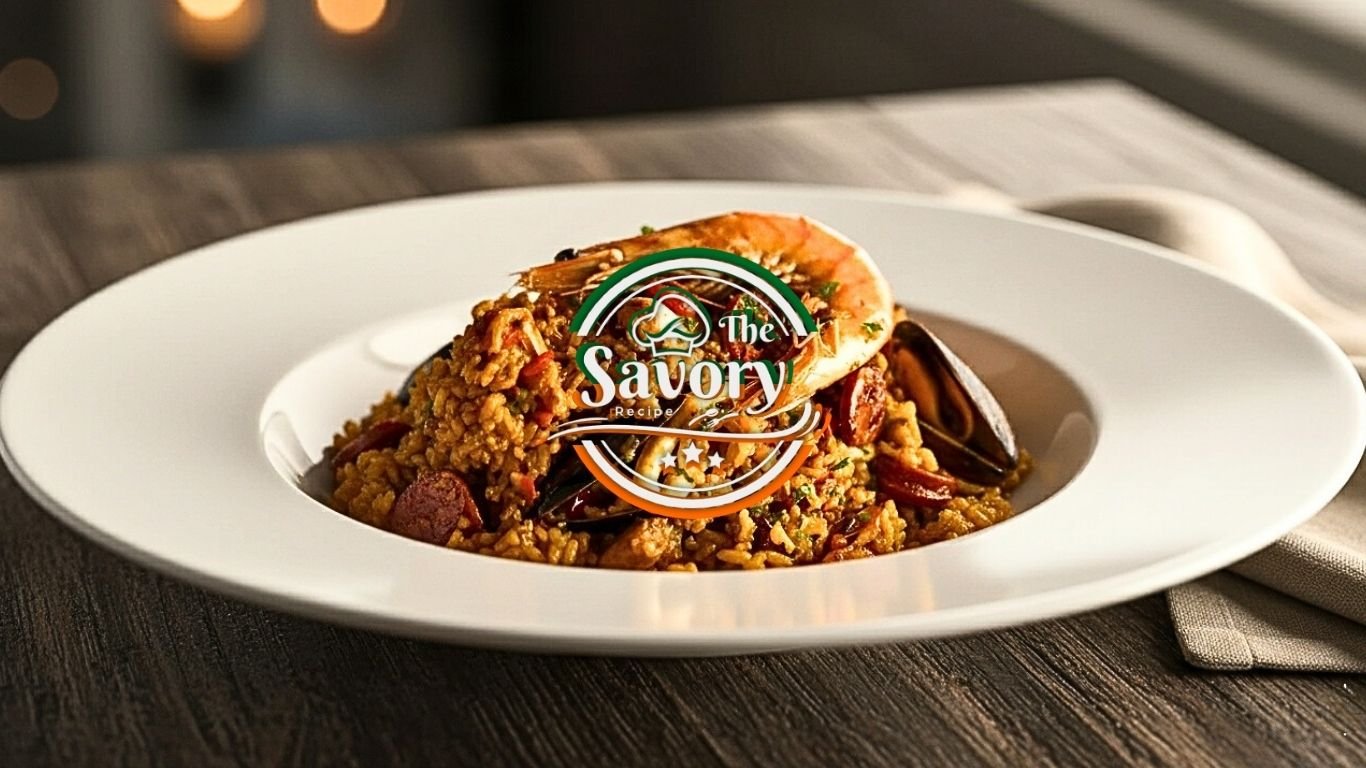
Crafting Classic Paella: Essential Ingredients & Flavor Secrets
The mere mention of classic Spanish paella often conjures images of vibrant colors, rich aromas, and bustling communal tables. For many home cooks, the idea of preparing this iconic dish can seem daunting, conjuring visions of enormous pans and complex techniques. Yet, beneath its grand reputation lies a surprisingly accessible and deeply rewarding culinary experience. In its birthplace of Valencia, Spain, paella is not a restaurant-only delicacy but a cherished weekly ritual, most often prepared and shared at home among family and friends.
Like many deeply rooted traditional dishes, paella – often specifically referred to as Paella Valenciana – is steeped in passionate debate regarding its authentic preparation, precise origins, and even its very definition. However, some fundamental truths persist, guiding us towards an understanding of what makes a truly exceptional classic Spanish paella. This article will demystify the process, revealing the essential ingredients and the time-honored techniques that unlock its unparalleled flavor.
The Heart of Paella: Understanding its Valencian Roots
To truly appreciate a classic Spanish paella, one must first understand its origins. Valencia, a sun-drenched region on Spain's eastern coast, is where this culinary masterpiece was born. Initially, paella was a humble farmers' and laborers' dish, cooked outdoors over an open fire using readily available local ingredients: rice, vegetables from the garden, and meat from the surrounding countryside – typically chicken and rabbit. This rustic heritage imbues the dish with a sense of honest simplicity, despite its later global renown.
The term "paella" itself refers not just to the dish, but also to the wide, shallow pan (the paellera or paellón) in which it's cooked. This pan's unique design, with its broad surface area, is crucial for allowing the rice to cook evenly in a thin layer, maximizing flavor development and, critically, creating the coveted crispy bottom layer known as the socarrat. The tradition of paella is deeply woven into the fabric of Valencian life, signifying celebration, family bonds, and the joy of shared meals. It’s a testament to the idea that the best food often comes from the most genuine, unpretentious sources. To truly delve into this tradition, consider exploring Master Authentic Valencian Paella: Spain's Iconic Home Dish.
Essential Ingredients for an Authentic Classic Spanish Paella
Creating an authentic classic Spanish paella hinges on a select roster of high-quality ingredients. Each component plays a vital role, contributing to the dish's distinctive flavor profile and texture. Preparing these ingredients meticulously before you even touch the heat is paramount – a concept known as mise en place – ensuring a smooth and successful cooking process, especially when managing multiple steps simultaneously.
- Bomba Rice: This is arguably the most critical ingredient. Bomba is a short-grain, round-pearl rice renowned for its ability to absorb a tremendous amount of liquid and flavor without becoming mushy or losing its integrity. Its unique starch structure allows it to expand in width rather than length, making it ideal for the even cooking required in a paella.
- Saffron: The "golden touch" of paella. Saffron threads, derived from the crocus flower, impart that iconic golden hue and a subtly sweet, earthy, and floral aroma that is irreplaceable. Quality saffron is essential; a little goes a long way.
- Extra Virgin Olive Oil: As the foundation of many Spanish dishes, good quality extra virgin olive oil is non-negotiable. It's used to brown the meats and sauté the vegetables, building the initial layers of flavor.
- Proteins (Chicken & Rabbit): For a truly traditional Valencian paella, boneless, skinless chicken pieces and rabbit are the authentic choices. These meats provide a rich, savory depth that differentiates it from seafood or mixed paellas. They are browned to create a flavorful crust in the pan.
- Vegetables (Green Beans & Garrofón): Flat green beans (often referred to as ferraúra in Valencia) and garrofón (a large, flat white bean unique to Valencia) are the characteristic vegetables. They offer a delicate sweetness and creamy texture that balances the richness of the meat. If garrofón is unavailable, large lima beans or butter beans can serve as a decent substitute, though the texture and specific earthy notes will differ slightly.
- Grated Tomato: Fresh, ripe tomatoes, grated to remove the skin, are essential for deglazing the pan and forming the savory flavor base (sofrito). The tomato's acidity lifts the browned bits from the bottom, integrating them into the liquid.
- Water or Quality Broth: While some purists insist on plain water to let the ingredients' flavors shine, a light chicken or vegetable broth can add an extra layer of complexity without overpowering. The quantity is crucial for achieving the perfect rice consistency.
- Salt: Simple seasoning, but vital for bringing out the best in all the ingredients.
Unlocking the Flavor Secrets: Techniques for a Classic Spanish Paella
Beyond the ingredients, the magic of a classic Spanish paella lies in its precise cooking sequence and the development of flavor at each stage. It's a dance between heat, fat, and freshness.
The journey begins with heating a generous amount of extra virgin olive oil in your paella pan. Once shimmering, the seasoned chicken and rabbit pieces are added. The goal here is not just to cook them through, but to achieve a beautiful golden-brown sear. This browning, thanks to the Maillard reaction, creates deep, savory flavors that will form the backbone of your paella. Once the meats are sufficiently caramelized, they are pushed to the cooler edges of the pan, allowing them to continue cooking gently while you build the next layers.
Next, the vegetables enter the stage. The flat green beans are added first, followed by the garrofón. They are sautéed for 5-10 minutes, softening and absorbing the rich flavors left behind by the meat. Like the meat, they are eventually moved to the periphery of the pan.
Now comes a pivotal moment: deglazing with the grated tomato. The acidity of the tomato, as it cooks down, works wonders. It helps to lift the flavorful brown crust that has formed on the bottom of the pan – the precursor to the legendary socarrat. This step is crucial for integrating all the foundational flavors into what will become the cooking liquid. The tomato is cooked for about five minutes until it loses its raw liquid and concentrates its essence.
With the flavor base established, the rice and saffron are introduced. Frying the rice for a couple of minutes before adding liquid is a technique called 'toasting' or 'nacarado.' This helps to seal the grains, preventing them from becoming sticky and ensuring they cook evenly. The saffron is mixed in thoroughly at this stage, infusing the rice with its golden hue and aroma from the start. Care must be taken to prevent the saffron from burning, as this can lead to a bitter taste.
Once the liquid (water or broth) is added, it's critical to distribute the ingredients evenly in the pan. From this point forward, the golden rule of paella applies: do not stir the rice. Stirring releases starch, which can make the paella gummy and prevent the formation of the highly sought-after socarrat. The rice needs to cook undisturbed, absorbing the liquid and flavors, and developing a crispy, caramelized crust at the bottom of the pan.
The socarrat is the holy grail of paella – a thin, toasted layer of rice that adheres to the bottom of the pan, offering a delightful textural contrast and an intensified flavor. Achieving it requires careful heat management, often a slight increase in heat towards the end of the cooking process, without burning. It's a delicate balance that comes with practice. Whether you're cooking over an open wood fire, which offers unmatched smoky depth, or adapting for a stovetop, understanding and controlling your heat source is paramount to achieving this iconic crunch. For more practical advice on bringing traditional flavors into your kitchen, check out Classic Spanish Paella Made Easy: Your Guide to Traditional Flavors.
Mastering the Art: Tips for the Home Cook
While the traditional method often involves a wood fire, you can absolutely create a delicious, authentic classic Spanish paella in your own kitchen. Here are a few practical tips:
- Pan Choice: While a traditional paella pan is ideal for even cooking and socarrat formation, a large, shallow, wide-bottomed skillet or even a cast-iron pan can work in a pinch. The key is surface area for the rice to cook in a thin layer.
- Heat Management: If using a stovetop, try to ensure even heat distribution. If you have multiple burners, use them to heat the paella pan across its base. Many home cooks finish paella in the oven to ensure even cooking and encourage the socarrat.
- Don't Rush: Paella is a dish that rewards patience. Allow each stage of cooking – browning meat, sautéing vegetables, reducing tomato – to fully develop its flavors.
- Listen and Smell: Pay attention to the sounds and smells coming from the pan, especially towards the end. A slight sizzling sound can indicate the socarrat is forming.
- Resting Period: Once cooked, cover the paella with foil or a clean kitchen towel and let it rest for 5-10 minutes. This allows the flavors to meld and the rice to finish absorbing any remaining moisture, resulting in perfectly tender grains.
Conclusion
Crafting a classic Spanish paella is more than just following a recipe; it's an immersive culinary journey that connects you to centuries of tradition and the vibrant heart of Spanish culture. From the careful selection of bomba rice and aromatic saffron to the meticulous browning of meats and the patient formation of the beloved socarrat, each step contributes to a symphony of flavors and textures. It’s a dish that celebrates simplicity, fresh ingredients, and the joyous act of sharing good food. Don't let its storied past intimidate you; embrace the process, savor the aromas, and discover the deep satisfaction of bringing this iconic Spanish masterpiece to your own table.
